accuracy
The Ultimate Typing Master Guide for Perfect Accuracy
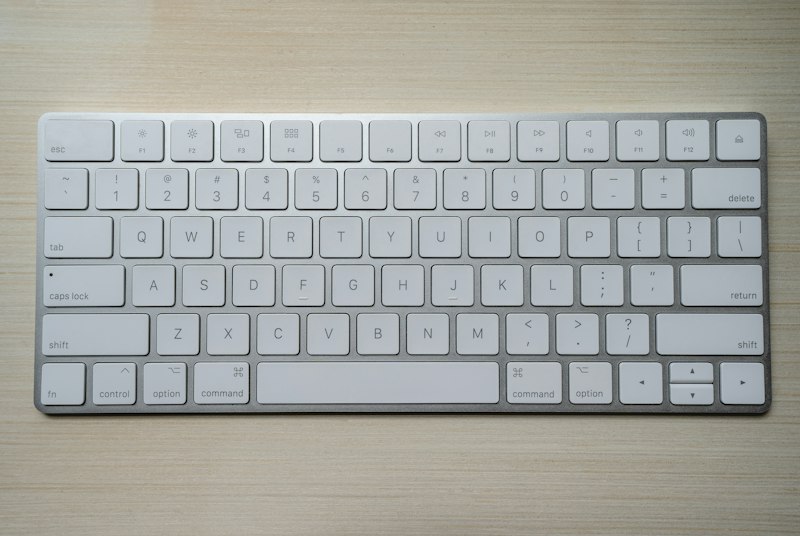
Becoming a skilled typist is no longer just about speed — in today's digital world, perfect accuracy is what separates average typists from professional-level performers. When accuracy improves, speed naturally follows. This guide is a complete blueprint for how anyone can build strong typing habits and achieve consistent, professional-grade accuracy through practice, discipline, and a small set of advanced techniques.
Why Perfect Accuracy Matters
In professional environments, even small typing mistakes change meaning, reduce credibility, and waste time on corrections. That's why perfect accuracy is more important than raw speed. When a typist focuses on accuracy first, they reduce errors, improve efficiency, and build the kind of confidence that compounds over time into consistent, low-rework performance.
Understanding the Foundation
Before chasing perfect accuracy, get the basics right: proper finger placement, posture, and keyboard familiarity. Most beginners rush into speed training, but without accuracy, speed becomes unreliable and the bad habits formed early are difficult to unlearn later. A strong foundation is what makes long-term improvement possible.
Proper Finger Positioning
Each finger has assigned keys, and learning the system reduces unnecessary movement. When fingers stay in their lanes — anchored on the home row and returning to it after every stretch — typing becomes smoother and more controlled. This directly improves accuracy because the typist makes fewer mistakes and maintains rhythm.
The Role of Muscle Memory
Muscle memory is the real engine behind professional typing. It lets your fingers move automatically without conscious effort. By repeating correct patterns daily, your brain memorizes key locations and stops second-guessing. This is what supports perfect accuracy even during fast sessions — the keystroke decision has already been made before you consciously think it.
The Importance of Slow Practice
Many learners underestimate slow practice, but slow and careful typing is one of the most effective ways to achieve perfect accuracy. When you type slowly the focus shifts to correctness, which eliminates bad habits before they harden. Slow practice is not a setback — it's the most direct path to high accuracy at any later speed.
Building Speed Without Losing Accuracy
Once accuracy is stable, speed can be increased — but only gradually. Rushing the transition produces more errors and undoes earlier gains. The ideal approach is to increase your target WPM only when accuracy at your current speed is consistently above 95%. This balance ensures long-term improvement without sacrificing quality.
Eliminating Common Mistakes
Common errors include wrong finger usage, skipping letters, and looking at the keyboard. These mistakes directly degrade accuracy. Fix them with awareness drills and self-correction: type slowly enough to notice the mistake, then retype the word correctly rather than just backspacing past it. Over time, reduced errors lead to smoother typing flow.
Keyboard Familiarity and Focus
Knowing the keyboard layout without hesitation is essential. When a typist knows key positions instinctively, accuracy becomes easier to maintain even during complex tasks. Pair that with a distraction-free environment — even small interruptions cause errors. Quiet, focused practice strengthens mental control during typing sessions.
Using Typing Exercises Effectively
Structured exercises are designed to improve both speed and accuracy by drilling consistent patterns. Regular short sessions reinforce accuracy and reduce dependency on visual keyboard checking. Mix word drills, sentence drills, and transcription so the practice mirrors the variety of real-world typing.
Tracking Progress
Monitoring performance is essential for growth. Track errors and speed across sessions to identify what's holding accuracy back, then set small goals — a 2–3% accuracy gain per week is realistic. Visible progress also keeps motivation high, which keeps the daily habit alive long enough for the real gains to compound.
Building Daily Habits
Consistency is the key to mastering perfect accuracy. Daily practice — even short — produces better results than irregular long sessions. When typing practice becomes a daily habit, the brain adapts faster and accuracy improves steadily without grinding willpower.
The Psychology Behind Performance
Typing is mental as well as physical. Confidence plays a big role in achieving accuracy under pressure. When typists trust their skills, they make fewer mistakes, especially in fast-paced environments. Build trust by training the fundamentals so deeply that they don't break when the task gets harder.
Conclusion
Perfect accuracy is not a one-day goal — it's a long-term skill built through discipline, patience, and consistent practice. By focusing on accuracy first, learners build a strong foundation that speed and efficiency stack onto naturally. Whether for school, office work, or professional tasks, accuracy ensures better performance and fewer mistakes for anyone willing to put in the daily reps.
Perfect accuracy is the long game. Prioritize correct patterns, train slow before fast, and track your numbers over time. When you're ready, jump into a lesson or take a typing test to measure where your accuracy currently lands.