Article · 9 min read
How to Practice Typing Every Day for Faster Speed & Better Accuracy
By TypeMasterSpeed Editorial · June 2, 2026
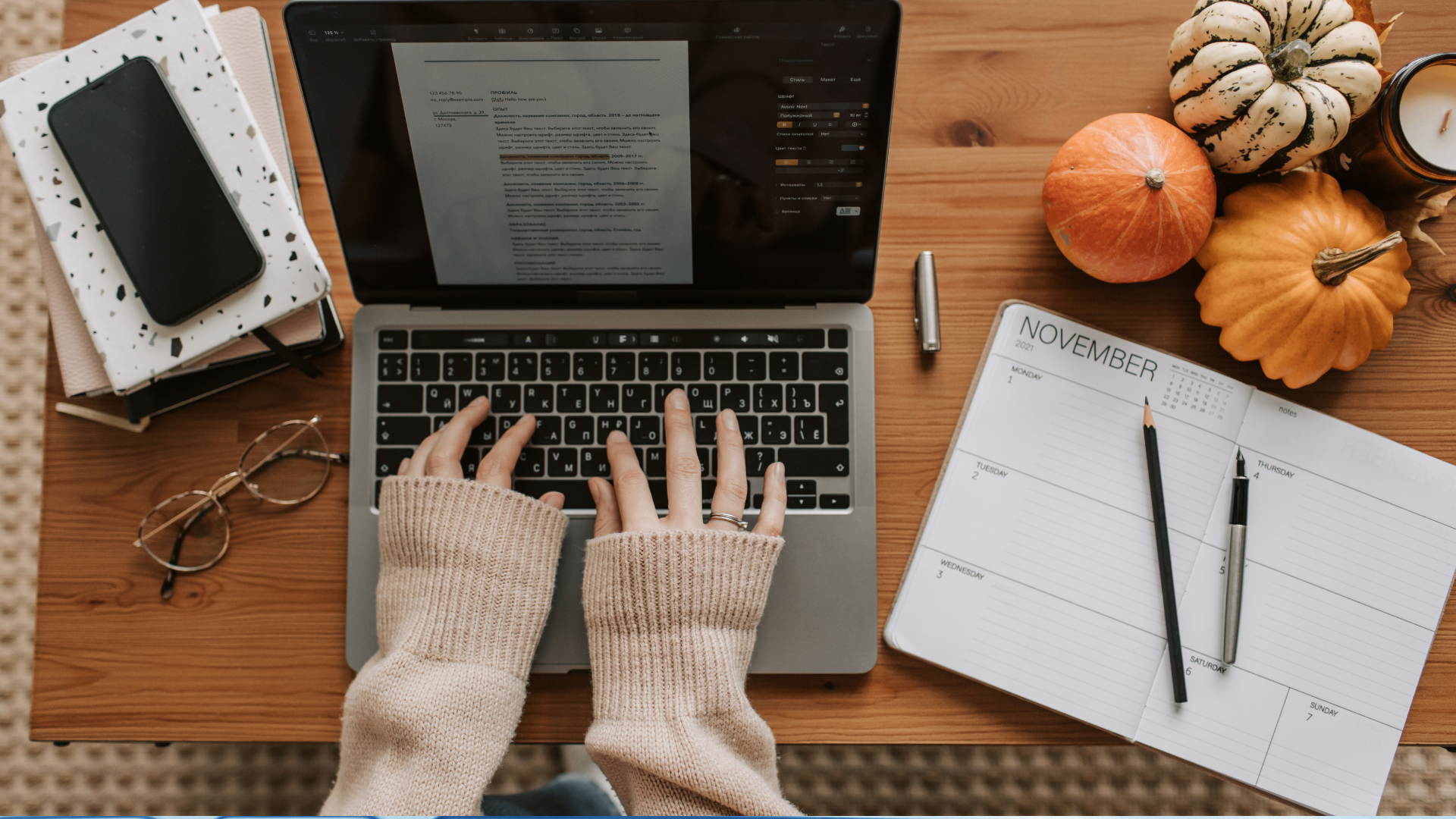
Typing is one of those abilities that subtly shapes productivity in the modern world. Whether you work in an office, study online, or just chat over a screen, daily typing practice can dramatically improve speed and accuracy over time.
Many people underestimate the impact of a short daily regimen. Within a few weeks, dedicated 15–20 minute drills produce visible benefits. This guide explains practical, proven strategies to build the habit, improve performance, and measure real progress.
Why Daily Practice Matters
Typing is a motor skill — the brain and fingers must learn it repeatedly to develop muscle memory. Frequent, short sessions build lasting speed and accuracy far better than occasional long ones. As touch typing becomes automatic, more mental attention goes to the content, not the mechanics.
Setting Up a Daily Routine
Pick a fixed time each day — morning often works because the mind is fresh, but any consistent slot helps. Start with 10–15 minute sessions, then extend them as the habit forms. Goals like ‘complete one exercise' or ‘type X words correctly' keep sessions purposeful.
Choose the Right Tools
Most online typing tools are free and structured. Typing Club, 10FastFingers, and Keybr offer lessons, drills, and instant feedback. The best platforms adapt to your skill level so each session is appropriately challenging — neither boring nor overwhelming.
Start with the Home Row
The home row is the backbone of touch typing — A, S, D, F on the left, J, K, L, ; on the right. Keeping fingers anchored there and reaching out only as needed is what separates fast typists from hunt-and-peck typists. Drill home row combinations until they feel natural.
Improve Speed Without Compromising Accuracy
A frequent beginner error is chasing speed before accuracy is solid. Type at a pace where errors stay under roughly 2%, then increase tempo only when that's stable. As experienced typists say: slow is smooth, smooth is fast.
Use Typing Tests to Measure Progress
Run timed tests weekly to measure WPM and accuracy. A simple log shows progress over time and reveals problem keys or letter combinations that need targeted drills.
Touch Typing vs. Hunt-and-Peck
Touch typing uses all ten fingers and relies on muscle memory. Hunt-and-peck requires looking for each key and is slower long-term. Investing the time to learn touch typing pays off — professional typists routinely hit 60–100+ WPM this way.
Drills That Actually Work
Repeating two-letter combinations, high-frequency words, and number patterns boosts both speed and accuracy. Copying full paragraphs from books or articles mimics real writing and teaches the fingers natural language rhythm. Competitive typing games add variety and motivation.
Don't Forget Punctuation and Symbols
Most typists focus on letters and neglect punctuation, numbers, and special characters — but those matter for real emails, code, and documents. Including them in daily drills removes weak spots from your keyboard coverage.
Posture and Ergonomics
Tilt the screen to eye level, sit up straight, and keep wrists neutral. An ergonomic chair and a comfortable keyboard support longer, healthier practice. Discomfort kills consistency faster than anything else.
Staying Motivated
Improvement isn't linear — speed sometimes dips temporarily before climbing. Set incremental milestones (30, 50, 70 WPM) to celebrate progress. Online communities and typing challenges add accountability and make the journey more enjoyable.
How Long to Become Fast
Most consistent practitioners reach 40–60 WPM in 2–3 months with 30 minutes of daily practice. Pushing to 80+ WPM takes additional months of focused work on accuracy and harder typing patterns. Consistency beats intensity every time.
Make Practice a Habit
Pair practice with an existing daily activity — morning coffee, lunch break, or end of day. Track streaks on paper or in an app; a visible chain is hard to break. Keep sessions fun with games, personal records, or favorite reading material.
Conclusion
Daily typing practice isn't just sitting at a keyboard — it requires structure, technique, the right tools, and patience. Practice every day, focus on accuracy, monitor progress, and anyone can become a fast, accurate typist with consistency and the right approach.